
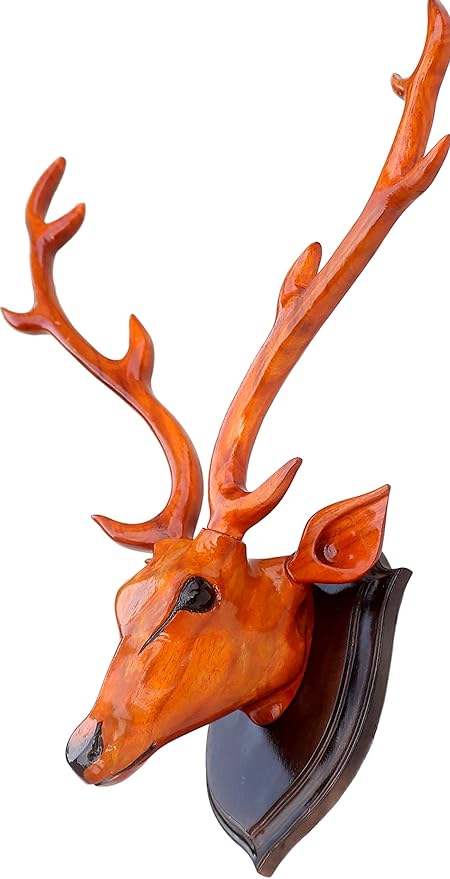


Bankura Traditional Wooden Crafts refer to a range of handcrafted wooden items produced in the Bankura district of West Bengal, India. These crafts are deeply rooted in the region’s cultural heritage, and the skilled artisans of Bankura have been known for their ability to transform wood into intricate and beautiful works of art. The craftsmanship in Bankura is highly valued for its unique blend of aesthetic appeal, functionality, and cultural symbolism.
Here are some notable aspects of Bankura’s traditional wooden crafts:
1. Bankura Horse (Bankura Ghoda)
Description: Perhaps the most iconic craft from this region is the Bankura horse, a stylized wooden horse figure that is often used in rituals and as a decorative piece. The Bankura horse is known for its distinct form, characterized by its elongated body, high neck, and intricately designed features. It is usually painted in bright, earthy colors, with a focus on geometric patterns and motifs.
Significance: The horse is symbolic of fertility and prosperity and is often used in festivals or as part of traditional celebrations. Historically, it was also considered a guardian spirit in rural communities.
2. Wooden Masks
Description: Bankura is famous for its wooden masks, which are traditionally used in folk performances and rituals. The masks are hand-carved from wood and feature exaggerated facial expressions, which convey various emotions and traits, such as joy, anger, or fear. They are often brightly painted and adorned with beads or cloth.
Significance: These masks are used in festivals like Chhou dance (a form of masked dance drama), where performers wear them as part of elaborate costumes to depict mythological characters and spirits. The masks are also used in religious ceremonies to invoke divine powers or spirits.
3. Wooden Figurines and Statues
Description: In addition to horses and masks, Bankura artisans craft wooden figurines and statues of deities, animals, and everyday life scenes. These sculptures are highly detailed and often serve as both religious icons and decorative pieces.
Materials and Techniques: The wood used in these crafts is typically sourced locally, and the carving techniques are passed down through generations. The figures are carved by hand using traditional tools, and the final pieces are often painted with natural dyes.
4. Traditional Wooden Furniture
Description: Bankura also has a rich tradition of crafting wooden furniture, which is known for its sturdy construction and simple yet elegant designs. Items such as chairs, tables, and stools are made from high-quality local wood and often feature intricate carving and detailing.
Significance: The furniture pieces are designed with both aesthetics and utility in mind, combining traditional motifs with practical functionality.
5. Wooden Toys
Description: In some parts of Bankura, artisans craft traditional wooden toys, such as animals, dolls, and spinning tops. These toys are usually painted with bright colors and are designed for both children’s play and as collectibles.
Significance: These toys not only serve as entertainment but also as an expression of local craftsmanship and creativity. They are typically made from sustainably sourced wood, making them eco-friendly.
6. Carved Wooden Panels and Doors
Description: Another traditional craft in Bankura involves carving wooden panels, doors, and window frames. These pieces are elaborately carved with floral, geometric, and mythological motifs.
Significance: The carved wooden panels are used in both religious and domestic architecture and add a touch of intricate artistry to buildings.
Techniques and Materials
The artisans of Bankura use locally available wood, such as sal wood and mango wood, which is known for its durability and workability. The carving techniques often involve chiseling, scraping, and sanding to create intricate designs. After the carving, the pieces are painted with natural dyes and sometimes finished with varnish to preserve them.
Preservation and Cultural Importance
Traditional wooden crafts from Bankura are not only a source of livelihood for the local artisans but also an important part of the region’s cultural identity. They play a key role in local festivals and religious rituals. Despite facing challenges like industrialization and modern mass-produced goods, efforts are being made to preserve these crafts by promoting them through exhibitions, fairs, and online platforms.
Overall, the wooden crafts of Bankura are a testament to the region’s rich cultural and artistic heritage, combining functional art with deep symbolic meaning.

